
Honey Super: What It Is and Why Beekeepers Need One ?
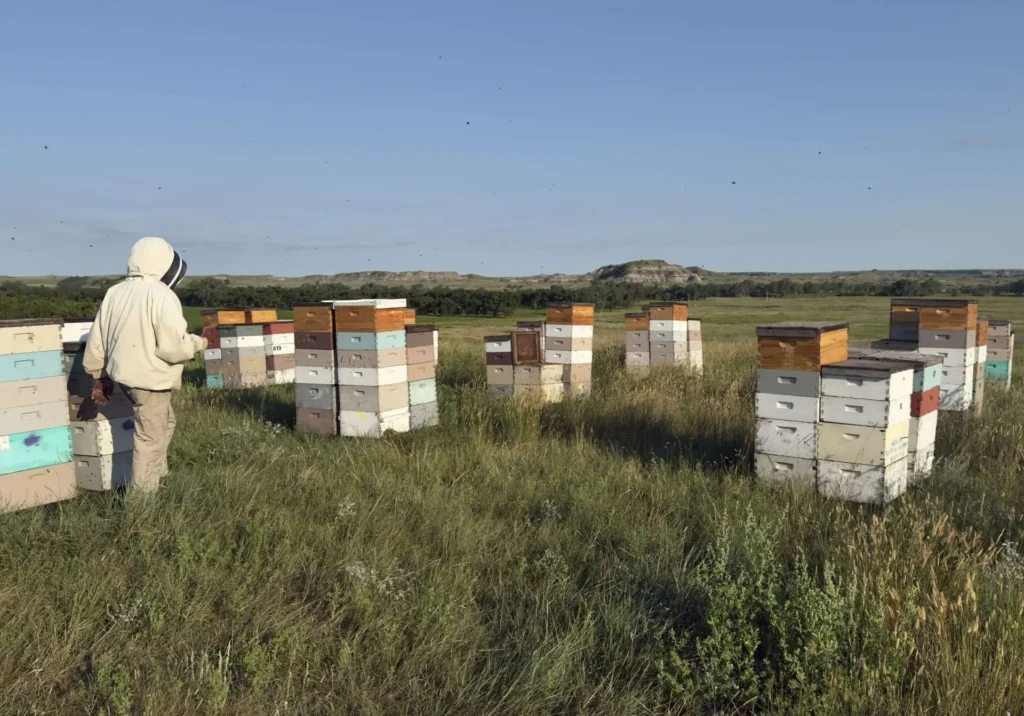
Getting into beekeeping for beginners is exciting — and, let’s be honest, a little overwhelming. One of the first confusing terms new beekeepers encounter is the honey super in a Langstroth hive.
So, what is a honey super? Why do beekeepers need one? And how does it fit into your hive setup? Let’s break it down in plain language.
What Is a Honey Super?
A honey super is simply an extra box that you place on top of your hive during the nectar flow. Its main purpose is to give bees space to store surplus honey — the honey beyond what the colony needs for itself.
In short, the brood boxes at the bottom are the “home” of the bees, where the queen lays eggs and the colony raises new bees.
Meanwhile, the honey supers stacked above are the “pantry,” where bees store extra honey.
As a result, beekeepers can harvest surplus honey while leaving enough for the bees to survive through the year.

| Why Langstroth Hives Matter | Honey Super Sizes |
| In the United States, more than 90% of beekeepers use the Langstroth hive. This modular system of stacked boxes makes it easy to expand or reduce hive space depending on the season. Therefore, inspections are simple, brood management is straightforward, and honey production becomes more efficient. | Supers come in a few different heights, and each has its pros and cons: Deep Box (9 5/8”) – Can technically be used as a honey super, but a full box can weigh 90–100 lbs. Too heavy for most hobby beekeepers. Medium Box (6 5/8”) – The most common honey super size. A full box weighs about 40–60 lbs, making it manageable but still productive. Shallow Box (5 3/4”) – Less common today, but still used by some beekeepers since they’re lighter (30–40 lbs when full). Most new beekeepers choose medium supers — they balance weight and storage capacity. |

When to Add a Honey Super
Timing is everything in beekeeping. Adding a super too late can cause swarming. Adding too early may make the hive harder to defend.
General rule:
- Add your first honey super when brood frames are 70–80% full of brood, nectar, or honey.
- During the nectar flow (spring–summer in most regions), strong colonies may need 2–4 supers.
Why Do Beekeepers Need Honey Supers?
For the bees:
• More storage space reduces crowding in the brood nest.
• Less crowding lowers the risk of swarming.
For the beekeeper:
• Supers provide removable boxes of surplus honey.
• Brood boxes stay focused on raising bees and storing food for the colony.
In addition, without supers, honey would be stored in the brood area. This makes inspections harder and forces the beekeeper to take food the bees depend on.
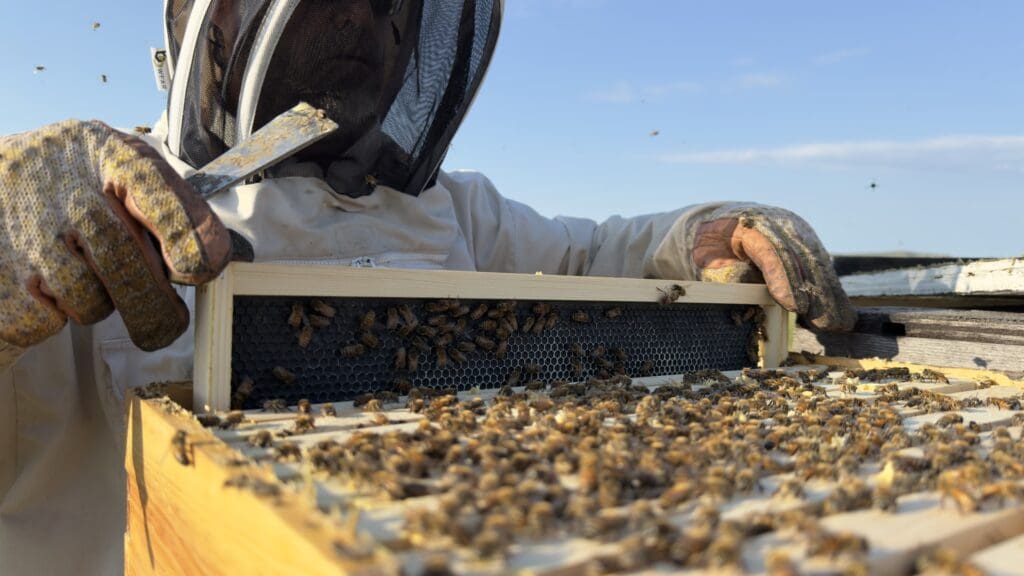
Frames and Foundation in Supers
Each honey super holds either 8 or 10 frames. Frames can be:
• Beeswax foundation (natural option).
• Wax-coated plastic foundation (durable, easy to reuse).
For example, some beekeepers use medium frames for both brood and honey. This standardizes equipment and simplifies management.
Final Thoughts
A honey super is one of the most important parts of a Langstroth hive. It helps manage colony growth, prevents swarming, and makes honey harvesting efficient.
In short, if you’re just starting beekeeping, one or two medium supers are the best way to give your bees space and enjoy your first harvest of fresh honey.