
How To Clean and Filter Your Beeswax
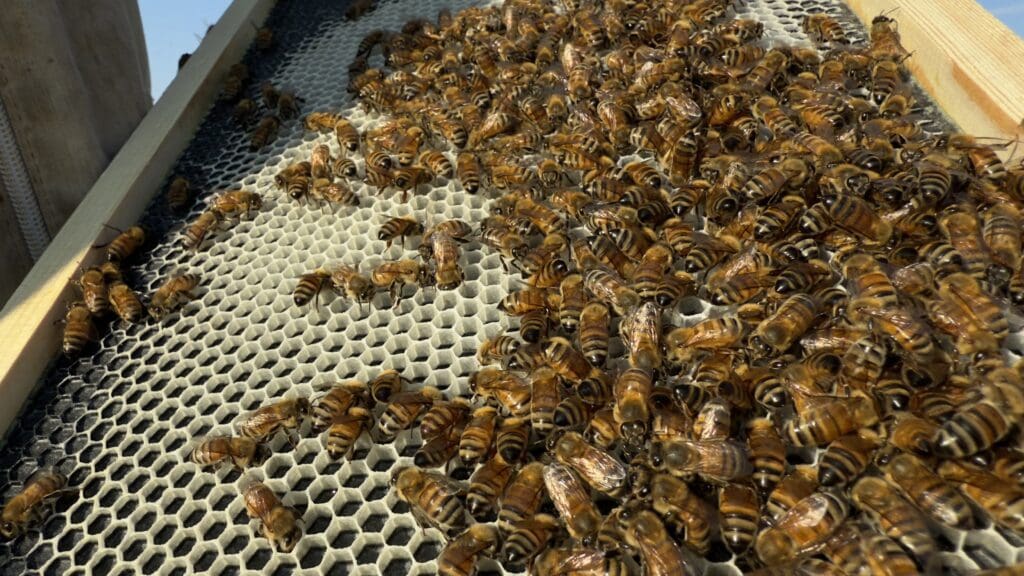
Did you know that honey bees must eat almost fifty pounds of honey to produce just ten pounds of beeswax?
This precious material is made by worker bees, which secrete wax from small glands on their abdomens. With it, they build the honeycomb used for brood and for storing honey.
For beekeepers, this means that along with harvesting honey, there is always an opportunity to harvest beeswax. Instead of throwing away leftover or unusable wax comb or brood frames, you can collect the wax and process it further.
The process is called rendering beeswax. First, the comb is gently melted down. Then it is filtered to remove impurities. Many beekeepers use double boilers or solar wax melters for this step. Once cooled, the wax solidifies into clean, golden beeswax.
Pure beeswax is incredibly versatile — and often even more valuable per pound than honey. It can be:
- Sold or traded,
- Turned into natural candles,
- Used in cosmetics and skincare,
- Applied in art, crafts, and wood care.
Humans have been using honey, honeycomb, and beeswax for thousands of years. Today, whether you are a beginner or an experienced beekeeper, learning to collect, render, and filter beeswax opens the door to both practical projects and profitable opportunities — all while supporting healthier bees and sustainable beekeeping.
Worker Bees Produce Beeswax
When worker bees are between twelve and eighteen days old, they develop eight wax-producing glands in their abdomens (four pairs). These glands form tiny wax scales. The bees remove and chew these scales, turning them into soft, malleable balls of wax, which they then use to build the honeycomb.
It takes about 1,100 wax scales to create just one gram of beeswax — an incredible amount produced solely by the bees’ bodies.
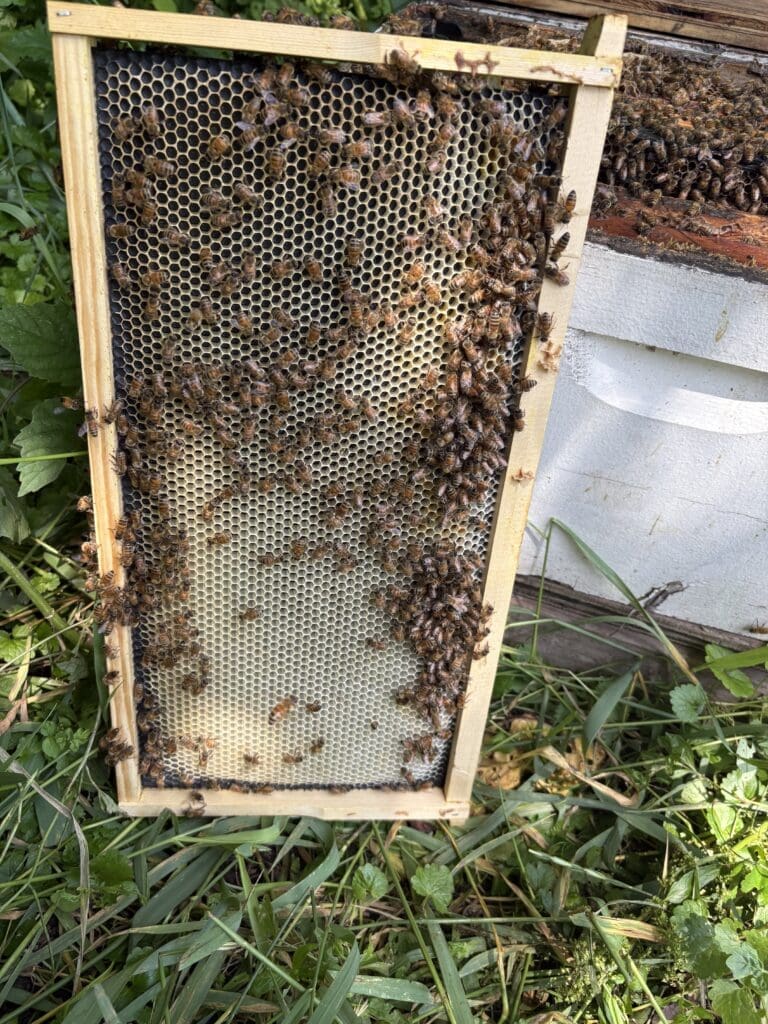
The hexagonal cells of the honeycomb are nature’s most efficient design. This shape allows bees to maximize storage, minimize wax use, and avoid wasting any space. Because of its strength and efficiency, the hexagon is a shape copied everywhere in human engineering — from airplane construction to packaging design.
👉 Interesting fact: Queen bees and drones do not have wax glands. Only worker bees are responsible for producing beeswax.
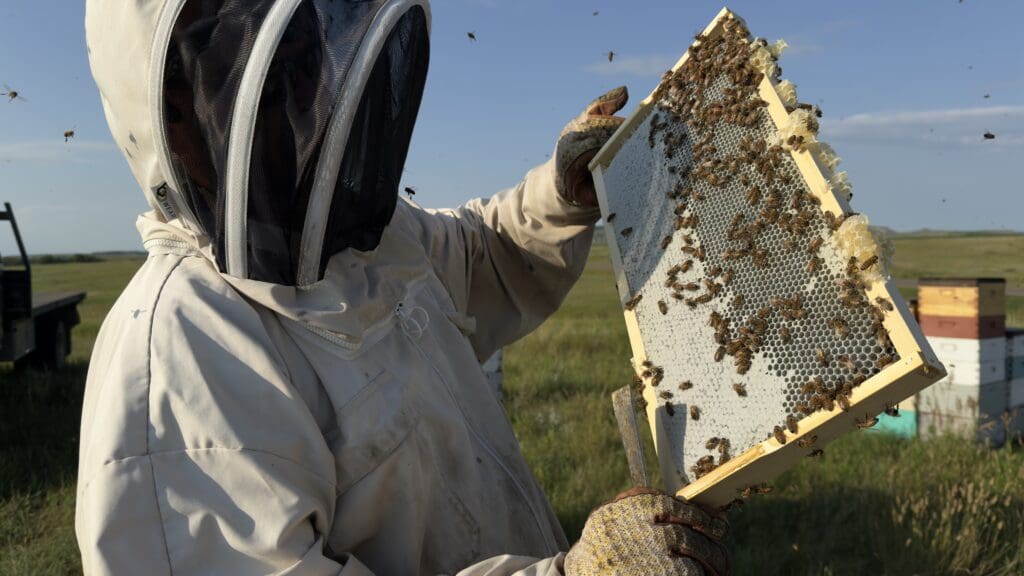
Add Wax or Rewax Plastic Foundation
From time to time, beekeepers may need to rewax their plastic foundation. This usually happens after wax moth or beetle damage, or when an old comb needs to be replaced. In such cases, the comb is removed, and the plastic foundation can be re-waxed for continued use.
The best part is that the wax you use for this process does not need to be perfectly clean. In fact, even slightly dirty wax can be used — and sometimes, the bees actually prefer it.
By adding wax or rewaxing plastic foundations, you can extend the life of your equipment, reduce waste, and keep your bees working efficiently without overspending.
Add Wax or Rewax Plastic Foundation
Beeswax is one of the most fascinating natural products of the hive. Here are some interesting facts and uses:
- Made by worker bees: Between 12–18 days old, they produce wax from special glands on their abdomens. With it, they build the strong hexagonal cells of the hive.
- Treasured for millennia: People have valued beeswax for thousands of years as one of the most useful and natural hive products.
- Candles and soap: It burns longer and cleaner than paraffin, making it ideal for natural candles and soap making.
- Cosmetics and skincare: Beeswax locks in moisture and is widely used in lip balms, creams, and eco-friendly cosmetics.
- Wood and leather care: A favorite in furniture polish and leather treatments, beeswax protects surfaces and adds shine.
- Waterproofing and lubrication: It naturally repels water and works as a safe lubricant for tools and household items.
- Creative uses: From encaustic art to craft projects, beeswax inspires makers and crafters worldwide.
From the hive to everyday life, beeswax proves to be one of the most versatile and sustainable materials nature provides.